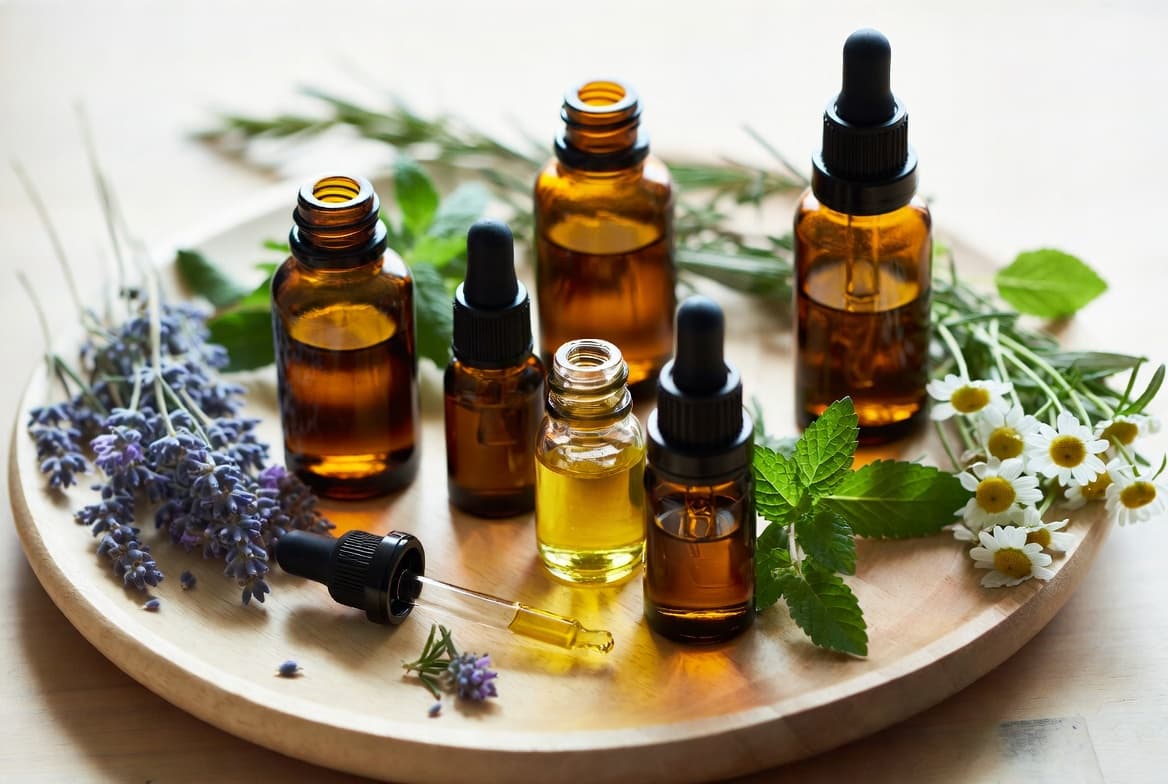
Peppermint essential oil is one of the most popular and versatile oils in the world, yet most people use it for just one or two purposes. The truth is that this remarkable oil — distilled from the leaves of Mentha piperita — has an astonishing range of applications supported by scientific research.
Peppermint’s power comes from its unique chemical profile. It contains approximately 40 percent menthol (responsible for its cooling sensation and analgesic properties), 20 to 30 percent menthone (contributing to its distinctive aroma), and dozens of other compounds including pulegone, menthyl acetate, and eucalyptol that work synergistically to produce its wide-ranging effects.
Here are ten uses for peppermint oil that you may not have considered.
1. Natural Headache Relief
This is perhaps peppermint’s most impressive application. A clinical study published in Cephalalgia (the official journal of the International Headache Society) found that peppermint oil applied topically to the forehead and temples was as effective as 1,000 mg of acetaminophen (paracetamol) for tension headache relief, with effects beginning within 15 minutes.
Menthol activates cold-sensitive receptors in the skin, causing a cooling sensation that blocks pain signals. It also relaxes the muscles of the scalp and temples and improves blood flow to the affected area.
How to use: Dilute 2 drops peppermint with 1 teaspoon carrier oil. Apply to the temples, across the forehead, and along the back of the neck at the hairline. Reapply every 30 minutes as needed. Avoid the eye area.
2. Digestive Comfort
Peppermint oil has been so extensively studied for digestive health that it is now available in pharmaceutical-grade enteric-coated capsules in many countries. A meta-analysis published in the British Medical Journal reviewed 9 clinical trials and concluded that peppermint oil is significantly more effective than placebo for reducing symptoms of irritable bowel syndrome, including abdominal pain, bloating, and altered bowel habits.
Peppermint relaxes the smooth muscle of the gastrointestinal tract, reduces gas and bloating, and supports healthy bile flow from the gallbladder, which is essential for fat digestion.
How to use: Add 1 drop to a glass of warm water and sip slowly after meals. Alternatively, apply 2 drops diluted with carrier oil to the abdomen in a clockwise circular motion (following the direction of the large intestine).
3. Exercise Performance Enhancement
In a study published in the Journal of the International Society of Sports Nutrition, athletes who inhaled peppermint oil before exercise demonstrated improved respiratory function, increased grip force, and enhanced endurance. The researchers attributed these effects to menthol’s ability to relax bronchial smooth muscle and increase airway diameter.
How to use: Apply diluted peppermint to your chest and the back of your neck 10 minutes before exercise. Alternatively, inhale directly from the bottle for 30 seconds before your workout begins.
4. Mental Focus and Alertness
Research from the University of Cincinnati found that peppermint aroma increased alertness, improved memory accuracy by 28 percent, and enhanced sustained attention. Unlike caffeine, which creates energy by blocking adenosine receptors and can cause jitteriness and crash, peppermint achieves alertness through direct stimulation of the hippocampus and the reticular activating system.
How to use: Keep a bottle at your desk and inhale directly during afternoon slumps. Diffuse in your workspace during tasks requiring concentration. Apply a drop to the back of your neck when you need an instant mental boost.
5. Natural Pest Deterrent
Mice, spiders, ants, and mosquitoes are repelled by peppermint’s strong menthol content. A study published in the Journal of Pest Management Science found that peppermint oil was effective at deterring several common household pests.
How to use: Soak cotton balls in peppermint oil and place at entry points where pests might enter your home — doorways, windowsills, gaps around pipes. Refresh every 2 weeks. For outdoor use, add 20 drops to a spray bottle of water and mist around doorways and outdoor seating areas.
6. Sinus and Respiratory Relief
When you are dealing with congestion, peppermint’s menthol content creates a sensation of improved airflow by activating cold-sensitive trigeminal nerve receptors in the nasal passages. While it does not actually decongest the sinuses pharmacologically, the subjective sensation of easier breathing is immediate and significant — and it does have genuine antimicrobial properties that support respiratory health.
How to use: Add 3 drops peppermint and 3 drops eucalyptus to a bowl of steaming water. Drape a towel over your head and inhale the steam for 5 to 10 minutes. Alternatively, apply diluted peppermint to the bridge of your nose and across your chest.
7. Nausea Relief
Peppermint is one of the most effective natural remedies for nausea. A study in the Journal of PeriAnesthesia Nursing found that peppermint aromatherapy significantly reduced post-operative nausea. It has also shown effectiveness for pregnancy-related nausea, motion sickness, and chemotherapy-induced nausea in various clinical settings.
How to use: Inhale directly from the bottle during episodes of nausea. Place 1 drop on a tissue and hold near your nose. For motion sickness prevention, apply diluted peppermint behind the ears before travel.
8. Cooling Body Spray for Hot Weather
Menthol activates TRPM8 receptors — the same cold-sensing receptors triggered by actual cold temperatures. This means that peppermint oil can create a genuine cooling sensation on the skin without any change in actual body temperature, making it perfect for hot climates and summer activities.
How to use: Add 10 to 15 drops of peppermint oil to a 250 ml spray bottle filled with cold water. Shake well and mist onto skin, avoiding the face. The cooling effect is immediate and lasts 20 to 30 minutes. Keep a bottle in your refrigerator for an extra refreshing effect.
9. Hair and Scalp Health
Peppermint oil improves blood circulation to the scalp when applied topically, which supports healthy hair growth. A study published in Toxicological Research found that peppermint oil applied to the scalp promoted significant hair growth in animal models — in fact, it outperformed minoxidil, the active ingredient in many commercial hair growth treatments.
How to use: Add 3 to 5 drops to your regular shampoo or conditioner. For a concentrated scalp treatment, mix 5 drops peppermint with 2 tablespoons of jojoba oil, massage into the scalp for 5 minutes, and leave for 30 minutes before washing.
10. Natural Breath Freshener
Commercial mouthwashes often contain alcohol and artificial ingredients that can disrupt your oral microbiome. Peppermint oil provides genuine antimicrobial benefits while freshening breath naturally.
How to use: Add 1 drop of food-grade peppermint oil to a glass of water for a refreshing mouth rinse. You can also add a drop to your toothpaste on the brush before cleaning. For on-the-go freshness, place a single drop on the tongue.
Quality Matters
With any of these applications, the quality of your peppermint oil is paramount. Synthetic menthol, which is common in cheap peppermint oils, does not contain the full spectrum of synergistic compounds that make genuine peppermint oil so effective. Always look for oils that are GC/MS tested, single-origin sourced, and certified free from synthetic additives.
Peppermint is one of those rare essential oils that belongs in every room of your house, every bag you carry, and every first-aid kit you own. Its versatility is matched only by its effectiveness.