Welcome to the world of essential oils. Whether you are completely new or looking to deepen your knowledge, this guide covers everything you need to know to start your botanical wellness journey with confidence and clarity.
What Are Essential Oils?
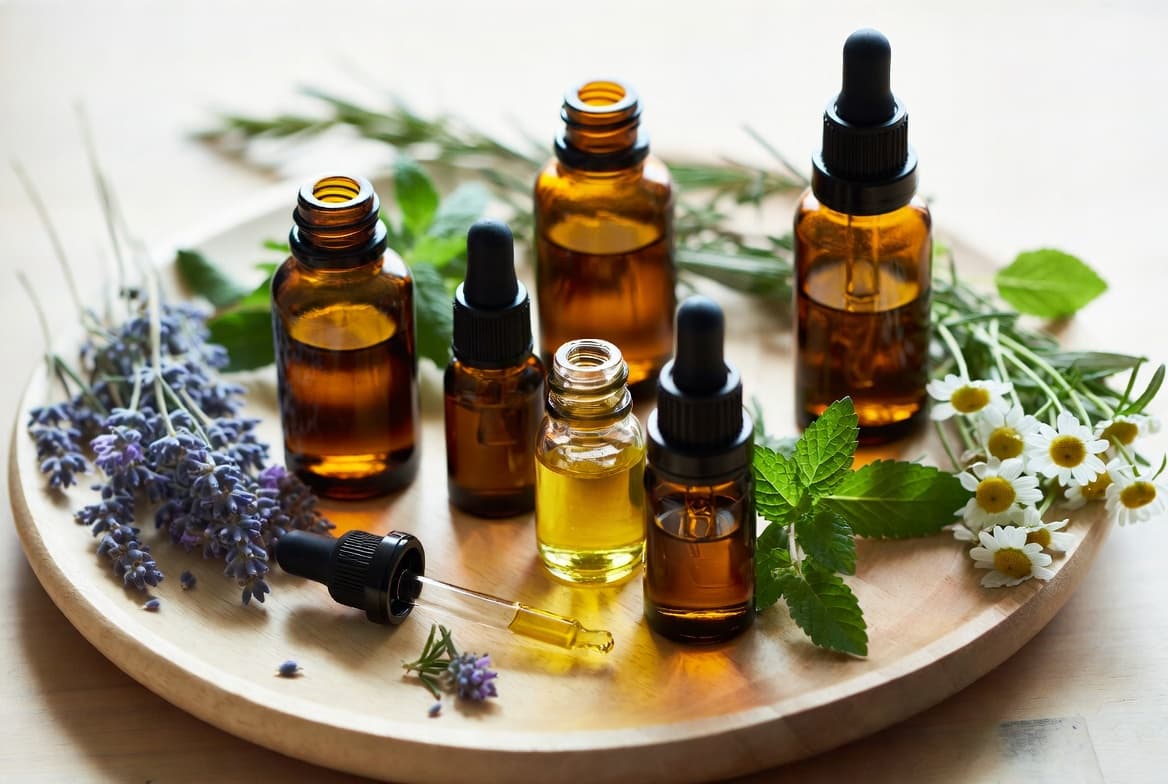
Essential oils are concentrated plant extracts obtained through distillation or cold-pressing. A single drop of peppermint oil contains the equivalent of 28 cups of peppermint tea. That concentration is what makes them so powerful — and why quality matters enormously.
These potent extracts have been used for thousands of years across cultures. Ancient Egyptians used frankincense in sacred rituals. Ayurvedic practitioners in India relied on sandalwood and vetiver for meditation and healing. Traditional Chinese Medicine employed camphor and eucalyptus for respiratory support. Today, modern science is validating what ancient healers always knew.
How Are Essential Oils Made?
There are three primary methods of extraction, and each affects the final product’s quality and composition:
Steam Distillation
This is the most traditional and widely used method. Plant material — leaves, flowers, bark, roots, or resin — is placed inside a large still. Steam passes through the plant matter, carrying the volatile aromatic compounds upward. The steam is then cooled in a condenser, where it separates into two layers: the essential oil floating on top and the hydrosol (flower water) below.
Steam distillation is ideal for hardy plant materials like lavender, eucalyptus, and rosemary. The temperature and pressure must be carefully controlled, because excessive heat can destroy delicate compounds and alter the oil’s therapeutic profile.
Cold-Press Extraction
Used primarily for citrus oils such as lemon, orange, bergamot, and grapefruit. The rind of the fruit is mechanically pressed or scored to release the tiny oil sacs embedded in the peel. This method preserves heat-sensitive compounds like limonene and linalool that would be damaged by steam.
Cold-pressed citrus oils retain their bright, fresh aroma and contain the full spectrum of naturally occurring phytochemicals. However, they are also photosensitive — avoid direct sun exposure for 12 hours after topical application.
CO2 Extraction
The newest and most advanced method. Supercritical carbon dioxide is used as a solvent at high pressure, producing extremely pure extracts that closely resemble the plant’s original aromatic profile. CO2 extracts often contain a wider range of therapeutic compounds compared to steam-distilled oils.
At Lifeforce, we use the extraction method best suited to each plant to preserve the full spectrum of bio-active compounds.
The Three Methods of Using Essential Oils
Aromatic (Diffusion)
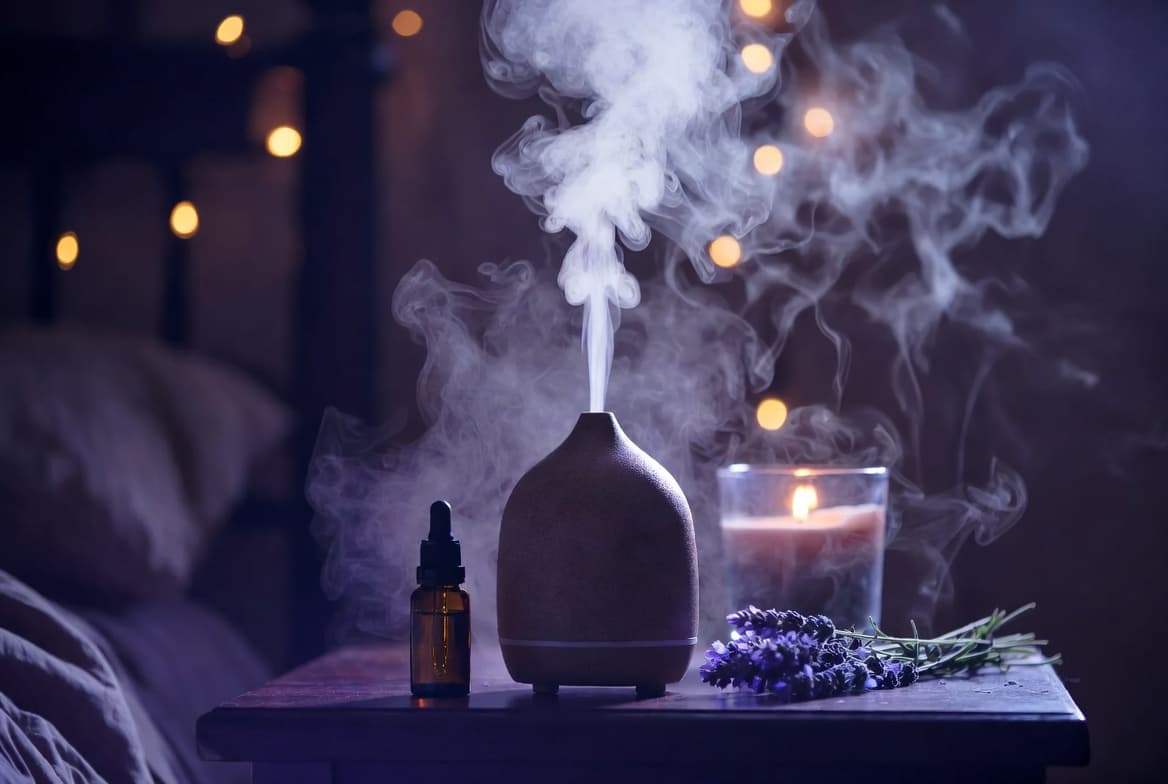
Add 3 to 5 drops to an ultrasonic or nebulizing diffuser. This is the easiest and safest method for beginners. When you inhale essential oil molecules, they travel directly to the olfactory bulb in your brain, which is part of the limbic system — the centre of emotions, memory, and hormonal regulation.
Diffusion is ideal for mood support, air purification, respiratory health, and creating a calming environment. A quality diffuser in your bedroom can transform your sleep routine within days.
Topical (Skin Application)
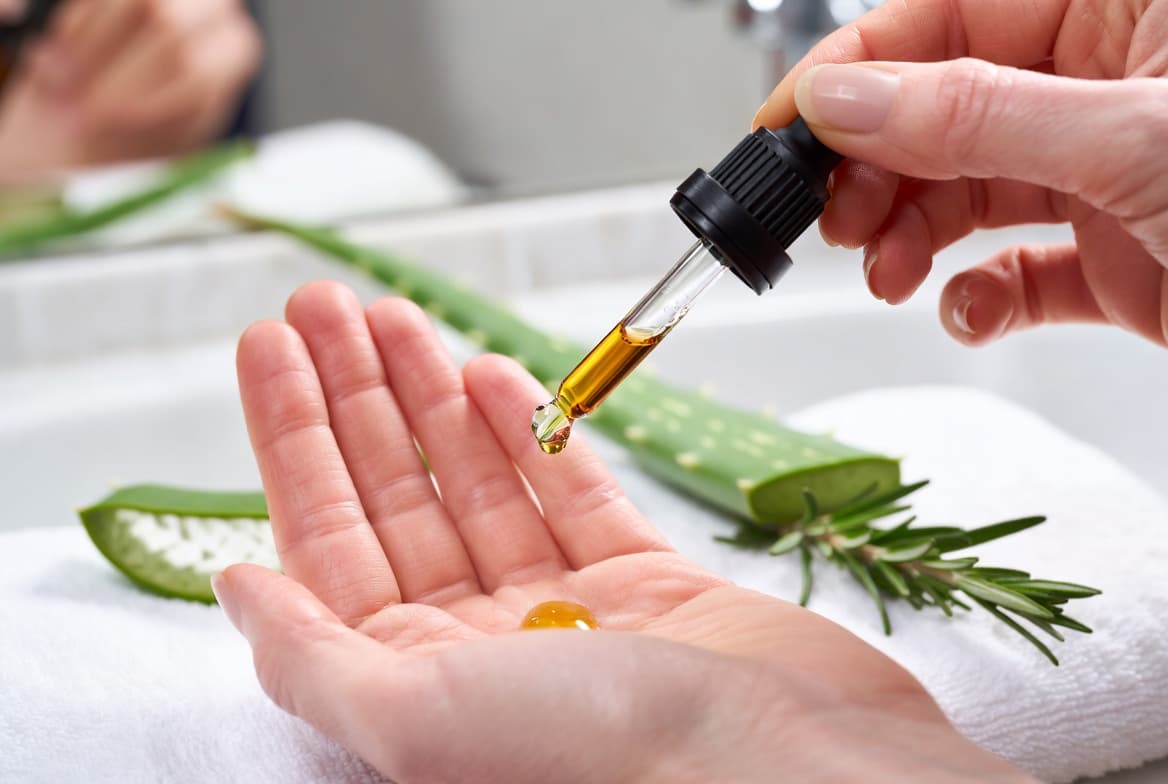
Always dilute essential oils with a carrier oil before applying to the skin. Good carrier oils include fractionated coconut oil, jojoba oil, sweet almond oil, and argan oil. A safe dilution ratio for adults is 2 to 3 percent, which means roughly 6 to 9 drops of essential oil per tablespoon of carrier.
The best application points are pulse points (wrists, behind ears, inner elbows), the bottoms of feet (which have the largest pores and are the safest application site), and along the spine for immune support.
Internal (Ingestion)
Only use oils explicitly labelled safe for internal use, and only from trusted sources that guarantee purity. Add 1 to 2 drops to a glass of water, a smoothie, or a vegetable capsule. Start slowly and pay attention to how your body responds.
Internal use is most common with lemon, peppermint, and frankincense. Always consult with a healthcare professional if you are pregnant, nursing, or taking medications.
How to Choose Quality Essential Oils
Not all essential oils are created equal. The market is flooded with synthetic, adulterated, and low-quality products. Here is what separates therapeutic-grade oils from everything else:
- GC/MS Testing — Every batch should be analysed by gas chromatography and mass spectrometry in an independent laboratory. This confirms the oil’s chemical composition and purity.
- Single-Origin Sourcing — Know exactly where your plants come from. Soil quality, altitude, climate, and harvesting methods all affect the oil’s potency.
- No Fillers or Synthetics — The ingredient list should contain one thing: the essential oil itself. No carrier oils, no fragrance additives, no extenders.
- Therapeutic Grade — This should represent a genuine commitment to quality standards, not just marketing language.
Every Lifeforce oil meets all four criteria. We publish our GC/MS results for complete transparency because we believe you deserve to know exactly what you are putting on and in your body.
Your Essential Starter Kit
New to essential oils? These five oils cover the widest range of everyday needs:
- 1Lavender — The most versatile oil. Promotes restful sleep, soothes skin irritation, calms anxious feelings, and eases muscle tension. Every home should have a bottle.
- 2Peppermint — Energizing and clarifying. Supports digestion, relieves tension headaches, opens airways, and enhances mental focus. One drop on the tongue is remarkably refreshing.
- 3Lemon — Bright and uplifting. A natural detoxifier that supports lymphatic drainage, purifies surfaces, elevates mood, and adds flavour to water and recipes.
- 4Tea Tree — The natural antiseptic. Supports skin health, strengthens immune defences, purifies air, and works brilliantly in DIY cleaning products.
- 5Frankincense — The king of oils. Promotes cellular health, deepens meditation, supports anti-aging skincare, and enhances the effects of every other oil it is paired with.
Safety Guidelines for Beginners
- Always perform a patch test before topical use. Apply a small amount of diluted oil to your inner forearm and wait 24 hours.
- Keep essential oils away from eyes, inner ears, and sensitive areas.
- Store oils in dark glass bottles away from direct sunlight and heat.
- Keep all essential oils out of reach of children and pets.
- If you are pregnant, nursing, or under medical care, consult your healthcare provider before use.
- Less is more. Essential oils are highly concentrated. Start with the minimum recommended amount.
Welcome to the journey. Your body will thank you.