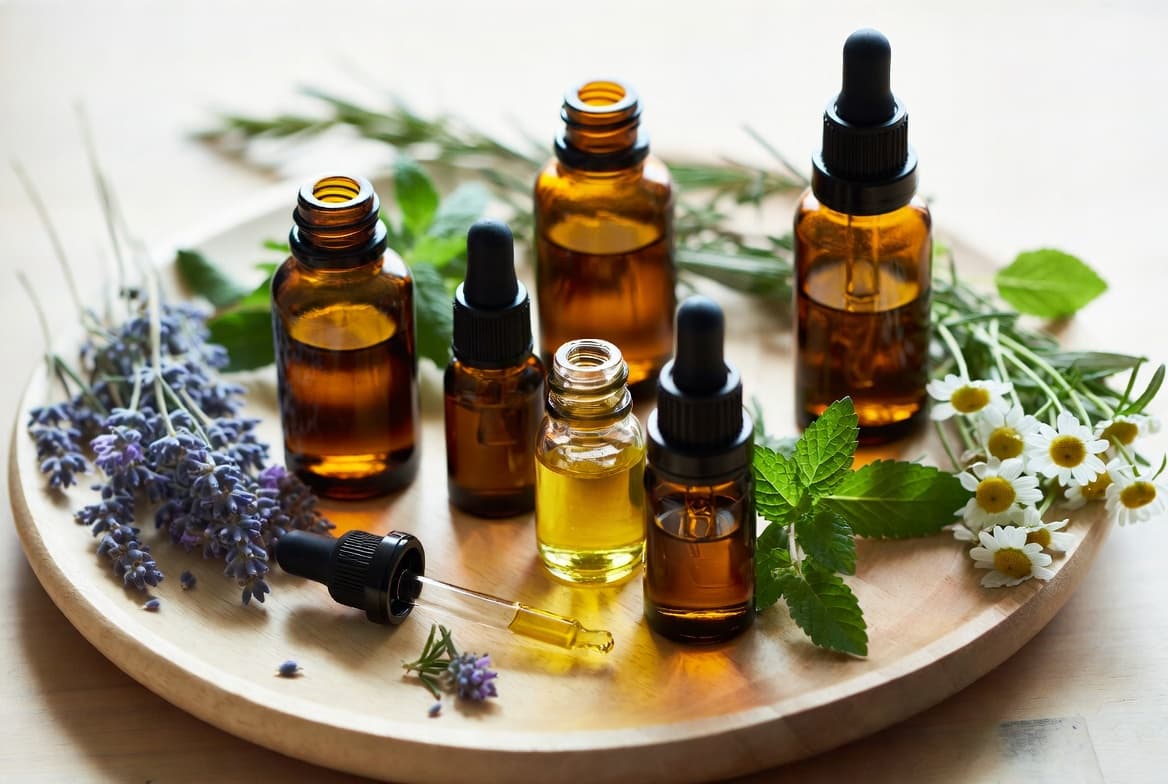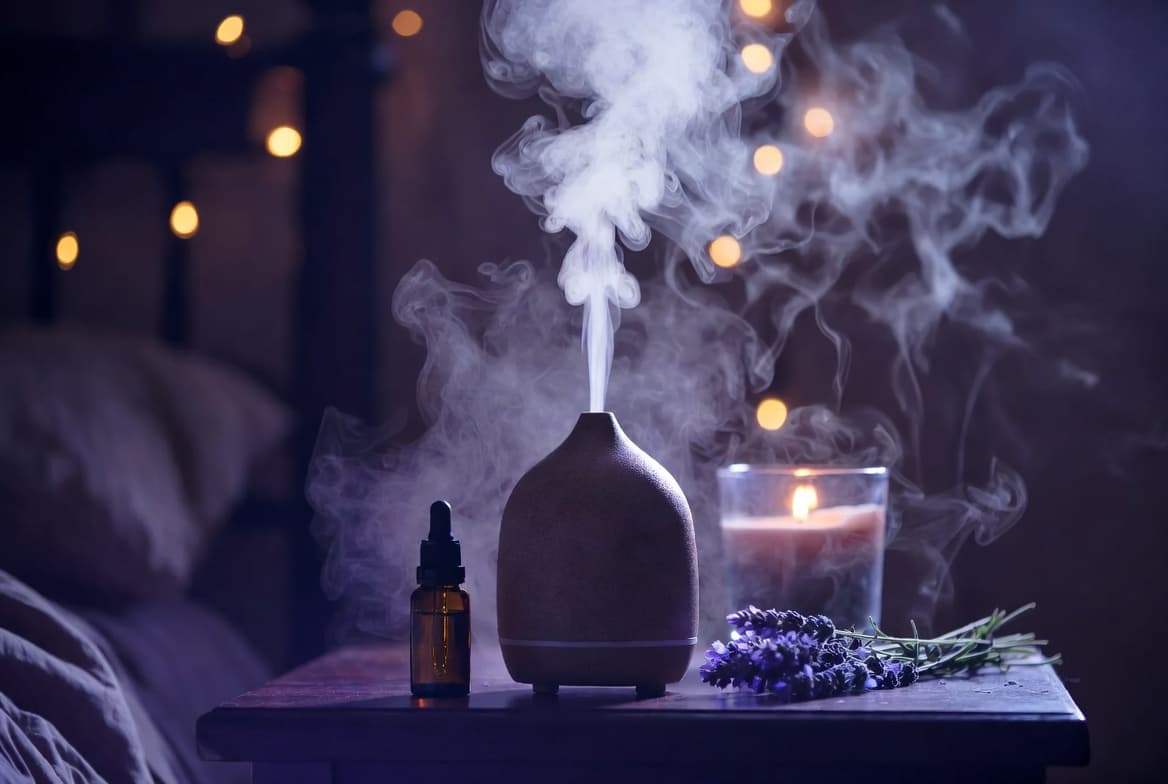
Sleep is essential for every aspect of your health — from immune function and hormone regulation to mental clarity and emotional resilience. Yet millions of people struggle with poor sleep quality, taking hours to fall asleep, waking during the night, or feeling exhausted despite spending enough time in bed.
The good news is that nature has provided powerful allies in the form of essential oils. Aromatherapy for sleep is one of the most well-researched and effective natural approaches, supported by dozens of clinical studies and centuries of traditional use.
Why Essential Oils Help You Sleep
When you inhale essential oil molecules, they travel through the nasal passages to the olfactory nerve, which connects directly to the limbic system — the part of the brain responsible for emotions, memories, and the regulation of the autonomic nervous system. This direct pathway is why certain scents can instantly shift your mood, calm your heart rate, and prepare your body for rest.
Unlike pharmaceutical sleep aids, essential oils do not create dependency, cause grogginess the next morning, or interfere with your natural sleep architecture. They work with your body, not against it.
1. Lavender Oil — The Gold Standard
Lavender is the most studied essential oil for sleep. Research published in the Journal of Alternative and Complementary Medicine found that inhaling lavender before bed significantly improves sleep quality, increases slow-wave (deep) sleep, and reduces morning drowsiness. A 2015 study in the Journal of Complementary Therapies in Medicine showed that college students who inhaled lavender reported a 60 percent improvement in sleep quality.
The key compound responsible for lavender’s sedative effects is linalool, which interacts with GABA receptors in the brain — the same neurotransmitter system targeted by prescription sleep medications, but without the side effects.
How to use: Add 3 to 4 drops to your diffuser 30 minutes before bedtime. For a more direct approach, dilute 2 drops with a teaspoon of carrier oil and massage into the bottoms of your feet or along the back of your neck.
2. Roman Chamomile — Ancient Calm
Roman chamomile has been used for centuries as a natural sleep aid and calming agent. The ancient Egyptians dedicated it to their sun god Ra, and medieval monks planted it in their monastery gardens specifically for nighttime teas and sachets.
Its warm, apple-like scent promotes deep relaxation by calming the central nervous system and reducing the release of stress hormones. Modern research has confirmed its anxiolytic properties, making it especially effective for people whose sleep problems stem from worry or an overactive mind.
How to use: Mix 2 drops with fractionated coconut oil and apply to your wrists and temples before bed. Alternatively, add a drop to a warm bath along with a cup of Epsom salts for an indulgent pre-sleep soak.
3. Bergamot — The Calming Citrus
Unlike most citrus oils that are energizing and uplifting, bergamot is unique in that it has profound calming properties. This is because it contains high levels of linalyl acetate and linalool — the same compounds that make lavender so relaxing.
Research published in Phytotherapy Research shows bergamot can lower cortisol levels by up to 23 percent, reduce heart rate, and activate the parasympathetic nervous system. For people who carry stress and tension from the day into their bedtime routine, bergamot is a game-changer.
How to use: Diffuse 3 drops bergamot with 2 drops lavender for a powerful synergistic sleep blend. Note that bergamot is photosensitive if applied topically, so avoid sun exposure after use.
4. Cedarwood — Deep and Grounding
Cedarwood essential oil contains a compound called cedrol that has been scientifically shown to increase total sleep time and reduce the number of night-time awakenings. A study in the Japanese Journal of Pharmacology found that cedrol inhalation significantly increased parasympathetic nervous system activity, which is the state your body needs to be in for sleep.
Its warm, woody, balsamic scent creates a feeling of being wrapped in something protective and grounding. It is particularly effective for people who feel restless or unrooted at bedtime.
How to use: Add 2 to 3 drops to a DIY pillow spray with distilled water and a teaspoon of witch hazel. Shake well and mist your pillow and bedding 10 minutes before climbing in.
5. Vetiver — The Oil of Tranquility
Known as the "oil of tranquility" in Ayurvedic tradition, vetiver has a deeply grounding, rich, earthy aroma unlike any other essential oil. It is distilled from the roots of a tropical grass and contains over 100 identified compounds that work synergistically to calm the mind.
Vetiver is particularly effective for people whose minds race at bedtime — the mental loop of to-do lists, worries, and tomorrow’s responsibilities. Its heavy, base-note quality acts as an anchor, pulling your attention out of your head and into your body.
How to use: Vetiver is very thick and potent, so a little goes a long way. Combine 1 to 2 drops vetiver with 3 drops lavender in your diffuser. You can also apply a single drop to the bottoms of your big toes, which correspond to the brain reflex point in reflexology.
Create Your Evening Sleep Ritual
Consistency is the secret to better sleep. Your brain responds to routine — when you perform the same calming sequence each evening, your nervous system learns to associate those actions with sleep. Start your wind-down ritual 60 minutes before bed:
- Turn on your diffuser with your chosen blend in the bedroom
- Dim all lights and switch screens to night mode or put them away entirely
- Take a warm shower and place 2 drops of lavender on the shower floor, letting the steam carry the aroma
- Apply diluted chamomile to pulse points while practising slow, deep breathing
- Spend 5 to 10 minutes journaling, reading, or meditating
- Keep your bedroom cool, between 18 and 20 degrees Celsius
Within two weeks of following this routine consistently, most people report dramatically improved sleep quality and reduced time to fall asleep.
A Note on Quality
When using essential oils for sleep, quality is paramount. Synthetic fragrances and adulterated oils may smell similar but lack the complex chemical profiles that produce genuine therapeutic effects. Always use 100 percent pure, therapeutic-grade essential oils from a source you trust. Every Lifeforce oil is independently GC/MS tested, single-origin sourced, and free from synthetics or fillers.
Your body deserves real rest. Let nature help you find it.