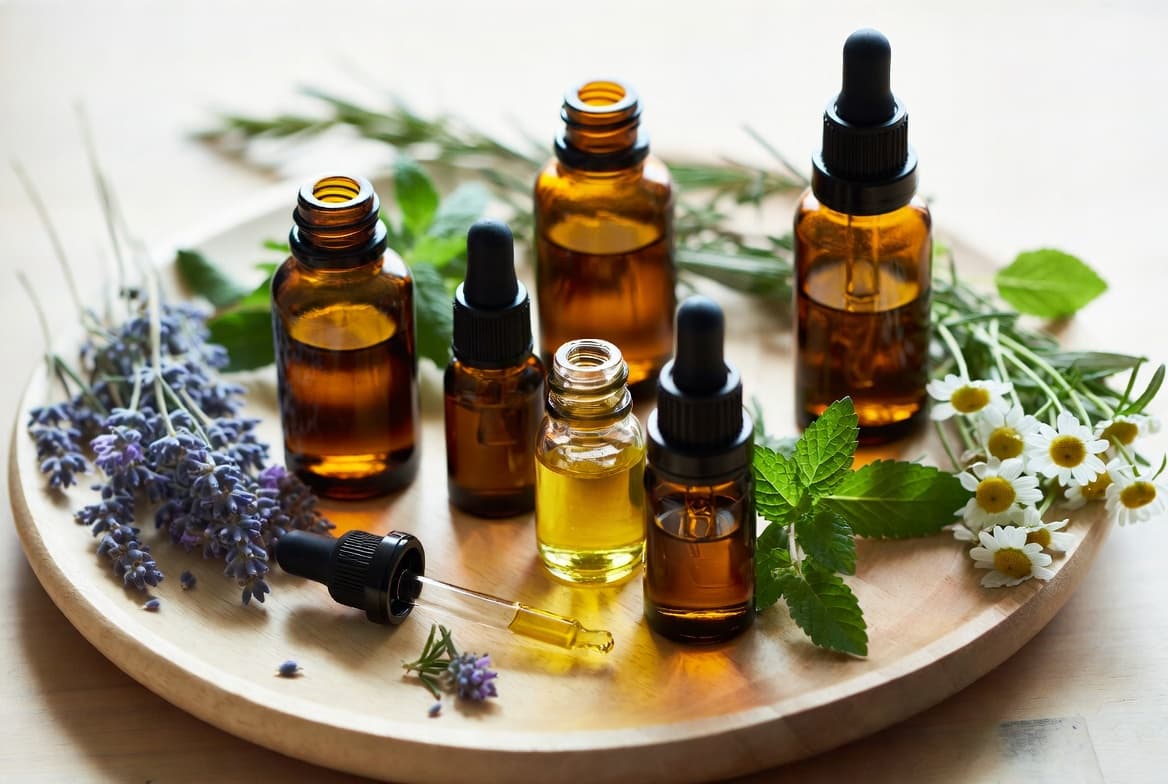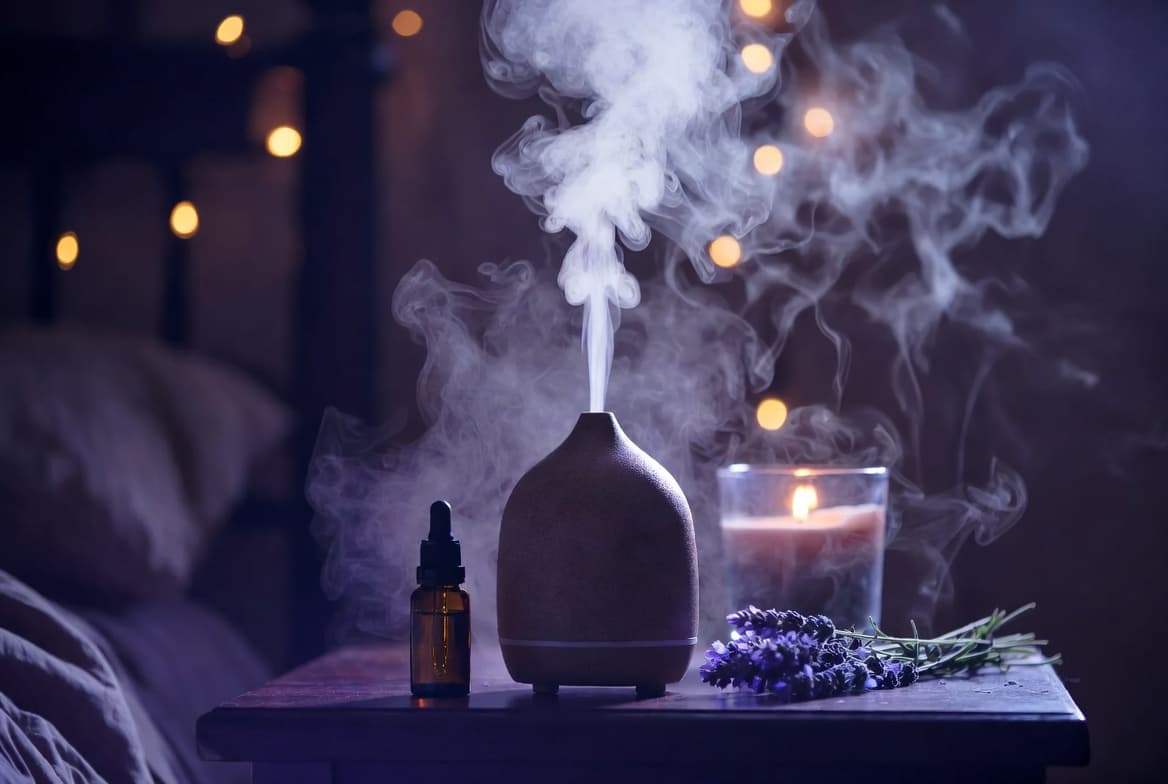
Aromatherapy is often dismissed as pseudoscience by people unfamiliar with the substantial body of research supporting it. The reality is that aromatherapy — the therapeutic use of essential oils — is one of the most well-studied complementary health practices, with hundreds of peer-reviewed clinical trials published in journals including the Lancet, the British Medical Journal, and Phytotherapy Research.
Understanding the science behind how scent affects your body does not diminish the experience — it deepens your appreciation for just how intelligently your body responds to the natural world.
The Olfactory Pathway: From Molecule to Emotion
When you inhale an essential oil, here is exactly what happens at the molecular level:
Step 1: Volatile Molecules Enter the Nasal Cavity
Essential oil molecules are volatile organic compounds — meaning they evaporate readily at room temperature and become airborne. When you open a bottle of lavender, hundreds of different molecules (linalool, linalyl acetate, camphor, and dozens more) are released into the air.
Step 2: Olfactory Receptors Activate
Inside the upper portion of your nasal cavity lies the olfactory epithelium — a small patch of tissue containing approximately 400 different types of olfactory receptors. Each receptor type responds to specific molecular shapes, creating a combinatorial code that your brain interprets as a distinct scent.
Humans can distinguish over 1 trillion different scents — a capacity that far exceeds our ability to discriminate colours (about 10 million) or sounds (about 340,000). This extraordinary sensitivity exists because smell was one of the earliest senses to evolve and remains deeply connected to survival, emotion, and memory.
Step 3: Direct Connection to the Limbic System
Here is where aromatherapy becomes uniquely powerful compared to other therapeutic modalities. The olfactory nerve is the only cranial nerve that connects directly to the limbic system without first passing through the thalamus — the brain’s central relay station that filters and modulates all other sensory input.
This means that scent information arrives at the amygdala (emotional processing), hippocampus (memory formation), and hypothalamus (hormonal regulation) in its raw, unfiltered form. No other sense has this direct access to the brain’s emotional and hormonal control centres.
This is why a smell can trigger a vivid childhood memory before you consciously identify what you are smelling. It is why certain aromas can instantly shift your emotional state, change your heart rate, or alter your hormone levels. The effect is pre-cognitive — it happens before your thinking mind has any say in the matter.
Step 4: Physiological Changes Cascade
Once essential oil compounds reach the limbic system, a cascade of physiological responses follows:
Neurotransmitter modulation: Linalool (found in lavender, bergamot, and clary sage) has been shown to increase GABA activity in the brain, producing the same calming effect as benzodiazepine medications but without dependency or side effects.
Hormonal regulation: The hypothalamus responds to olfactory input by adjusting hormone production. Research shows that inhaling certain oils can lower cortisol (the stress hormone), increase serotonin (the mood-regulating neurotransmitter), and modulate oxytocin (the bonding hormone).
Autonomic nervous system shifts: Essential oils can move your autonomic nervous system from sympathetic dominance (stress, tension, elevated heart rate) to parasympathetic dominance (relaxation, digestion, repair). This is measurable in real time through heart rate variability monitoring.
Key Research Findings
Lavender and Anxiety
A 2019 meta-analysis published in the Journal of Affective Disorders reviewed 90 studies involving over 8,000 participants and concluded that lavender aromatherapy produced "significant and clinically meaningful reductions" in anxiety across a wide range of clinical settings, from pre-surgical anxiety to chronic generalised anxiety disorder.
Peppermint and Cognitive Performance
Researchers at the University of Cincinnati and Wheeling Jesuit University have conducted multiple studies showing that peppermint aroma improves memory accuracy, increases alertness, reduces fatigue, and enhances sustained attention. The effects were measurable both in subjective self-reports and in objective cognitive testing.
Eucalyptus and Respiratory Health
A systematic review published in Clinical Microbiology Reviews examined the evidence for eucalyptus oil’s respiratory benefits and found consistent support for its antimicrobial, anti-inflammatory, and mucolytic properties. The primary compound, 1,8-cineole, has been approved as a pharmaceutical ingredient for respiratory conditions in several European countries.
Rosemary and Memory
A landmark study from Northumbria University found that participants in a room diffused with rosemary essential oil performed 15 percent better on memory tests compared to controls. Blood analysis showed elevated levels of 1,8-cineole in the rosemary group, confirming that the compound was absorbed through inhalation and reached the bloodstream.
Tea Tree and Antimicrobial Activity
With over 300 published studies, tea tree oil has one of the strongest evidence bases of any essential oil. Its broad-spectrum activity against bacteria, viruses, fungi, and protozoa has been documented in journals including the Clinical Microbiology Reviews and the Journal of Antimicrobial Chemotherapy.
Beyond Inhalation: Transdermal Absorption
When essential oils are applied to the skin (properly diluted), they can also enter the body through transdermal absorption. The molecules are small enough to pass through the stratum corneum (the outer layer of skin) and enter the bloodstream within 20 to 60 minutes.
A study published in Phytomedicine demonstrated that linalool from lavender oil applied topically was detectable in blood plasma within 5 minutes, with peak concentrations reached at 20 minutes. This confirms that topical application is a legitimate route of therapeutic delivery, not merely a pleasant skin treatment.
The rate of absorption varies by body location: the soles of the feet, inner wrists, and behind the ears are among the most permeable sites, while the palms and forearms absorb more slowly.
The Placebo Question
Sceptics often ask whether aromatherapy is simply placebo. This is a fair question, and the research addresses it directly.
First, many aromatherapy studies include active control groups (using non-therapeutic scents) rather than just unscented controls, which accounts for the general effect of smelling something pleasant. Therapeutic effects consistently exceed those of control scents.
Second, animal studies — where placebo effects are not a factor — confirm the pharmacological activity of essential oil compounds. Linalool produces measurable anxiolytic effects in mice, cedrol increases sleep time in rats, and menthol reduces pain responses in animal models.
Third, blood chemistry measurements provide objective confirmation. Changes in cortisol, serotonin, GABA activity, and heart rate variability cannot be explained by expectation alone.
This does not mean that the psychological aspects of aromatherapy are unimportant — the ritual of using essential oils, the pleasant sensory experience, and the association with self-care all contribute to their effectiveness. But the pharmacological effects are real, measurable, and reproducible.
Practical Implications
Understanding the science behind aromatherapy empowers you to use essential oils more effectively:
- Be consistent. Many benefits are cumulative. Regular use builds stronger associations in your limbic system and produces deeper physiological responses over time.
- Quality matters. Synthetic fragrances may smell similar but lack the complex chemical profiles that produce therapeutic effects. Always use genuine, pure essential oils.
- Choose intentionally. Different oils affect different neural pathways. Select oils based on the specific outcome you want, not just personal scent preference.
- Combine modalities. Aromatherapy works best as part of an integrated approach to wellness. Pair it with good nutrition, exercise, sleep, and stress management for maximum benefit.
The science is clear: aromatherapy is not magic, and it is not placebo. It is the sophisticated interaction between plant chemistry and human neurobiology, refined by nature over millions of years of co-evolution. Every time you inhale a pure essential oil, you are engaging one of the most direct pathways to your brain’s emotional, hormonal, and healing centres.
That is not mysticism. That is biology.